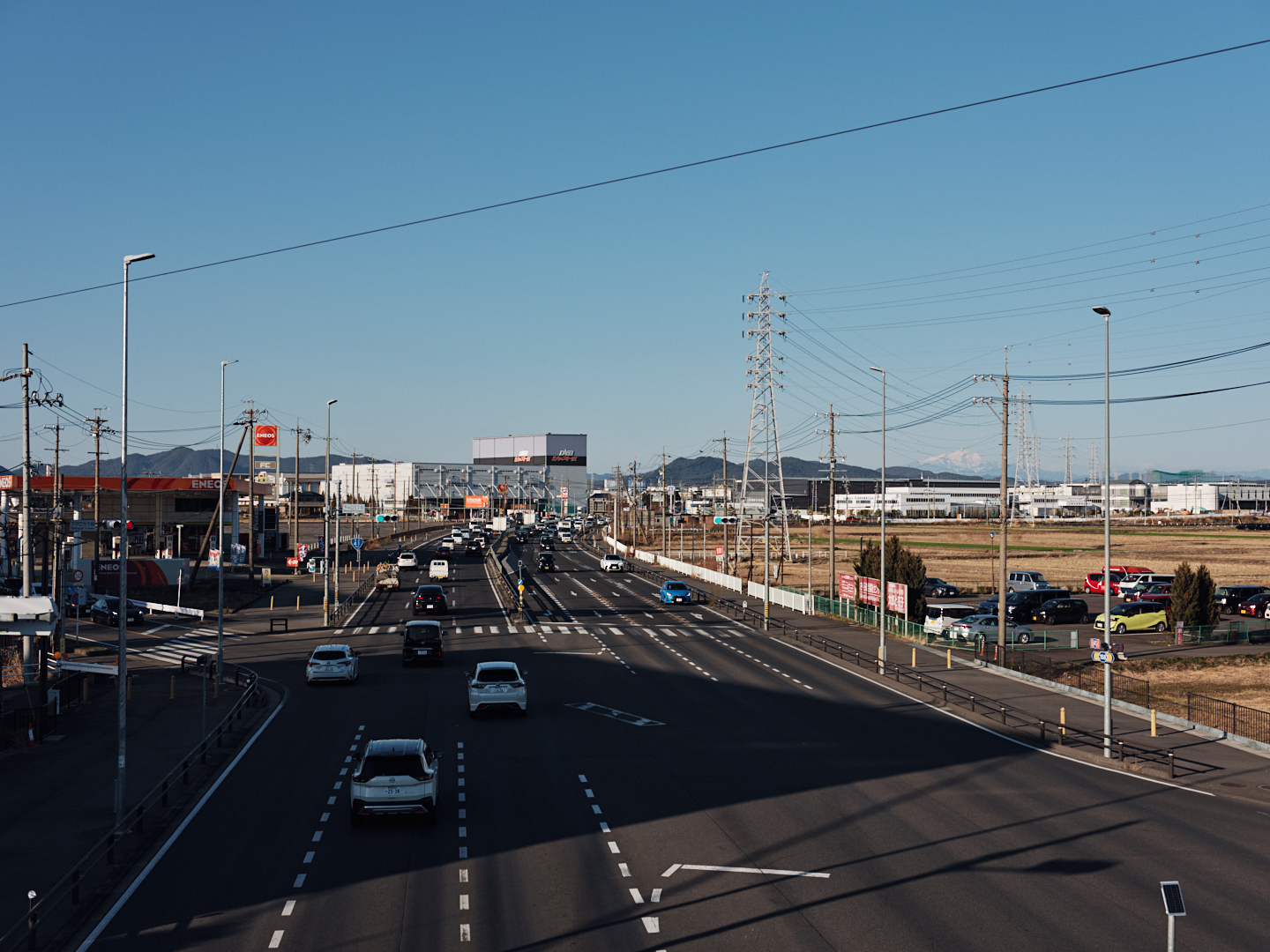
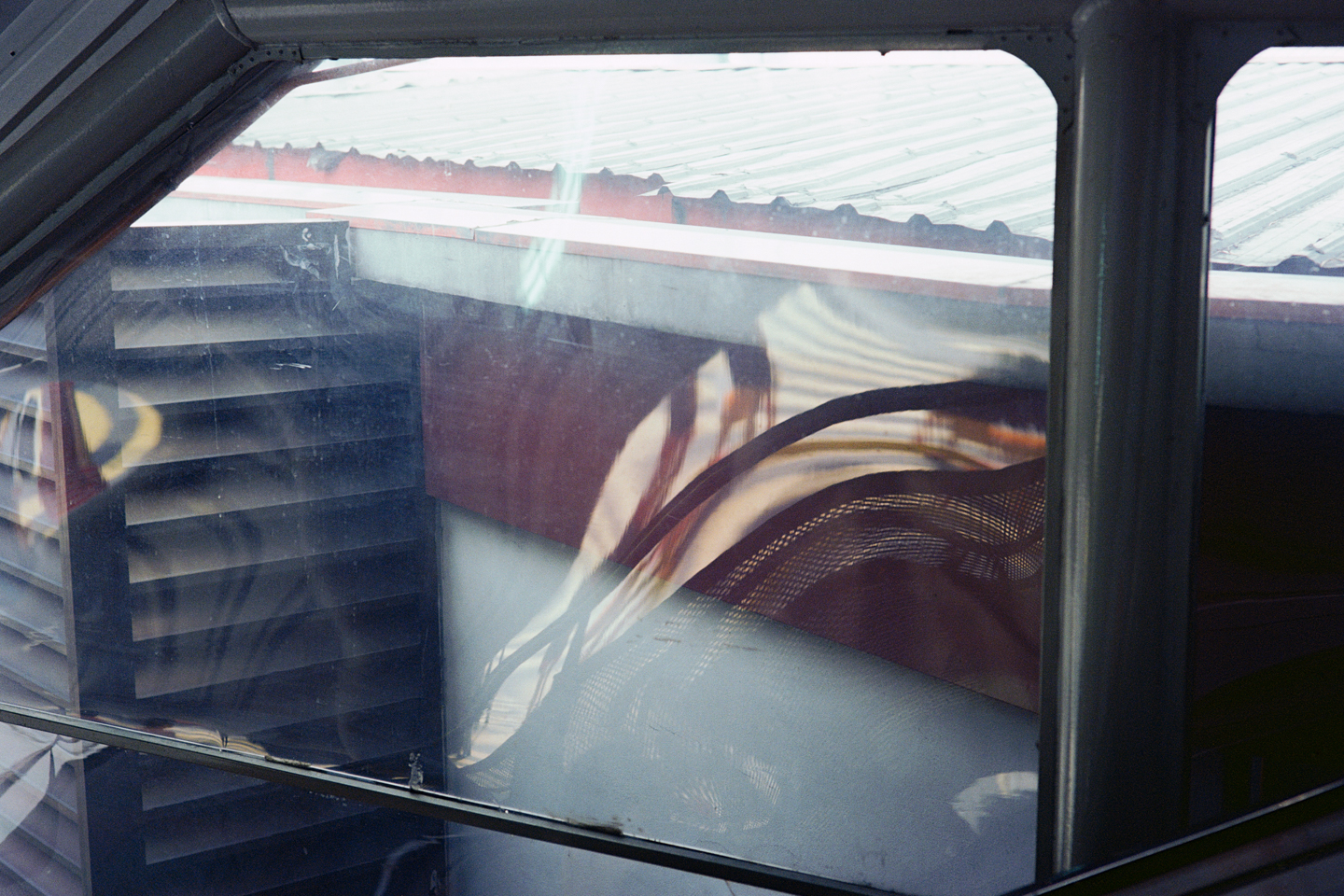
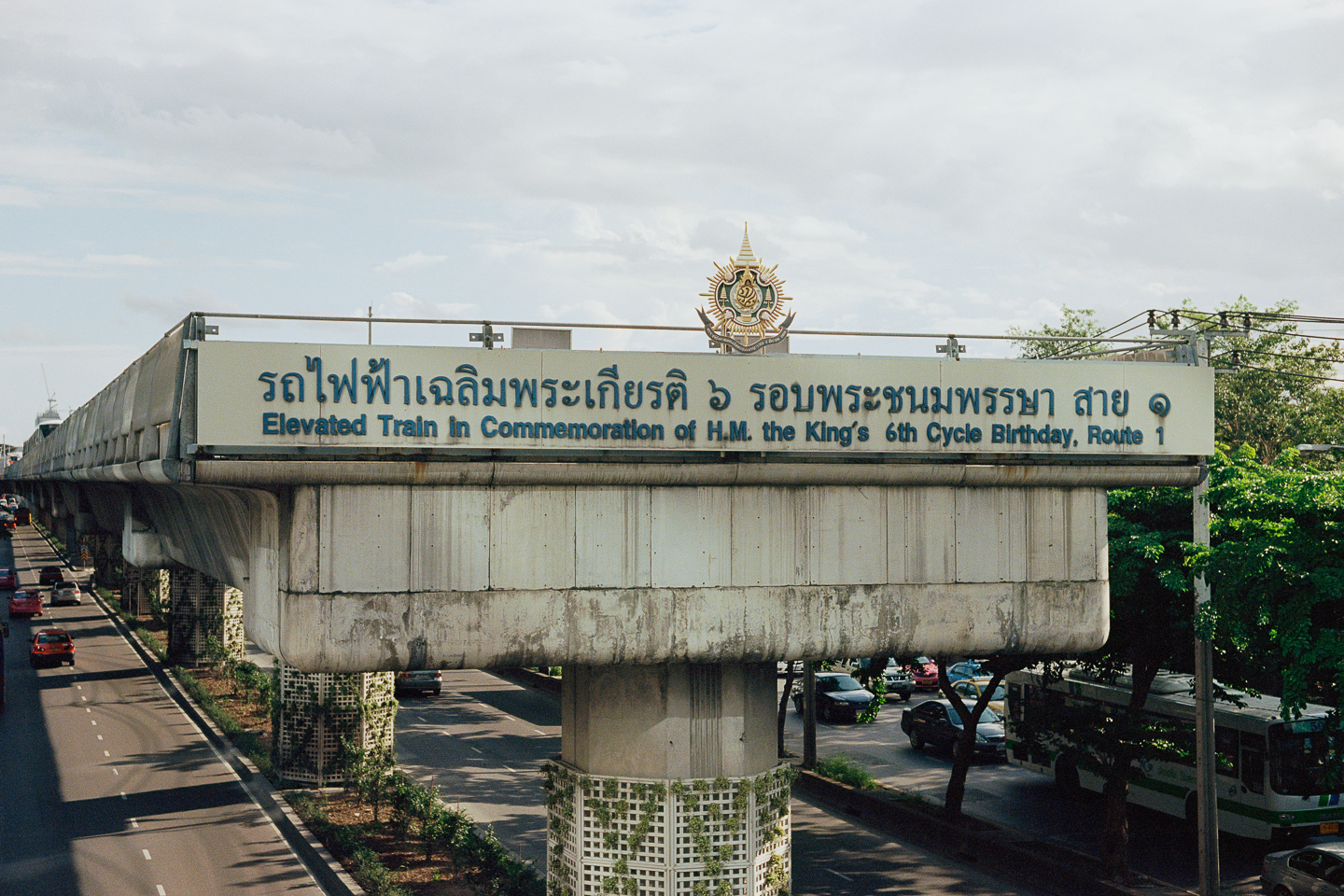
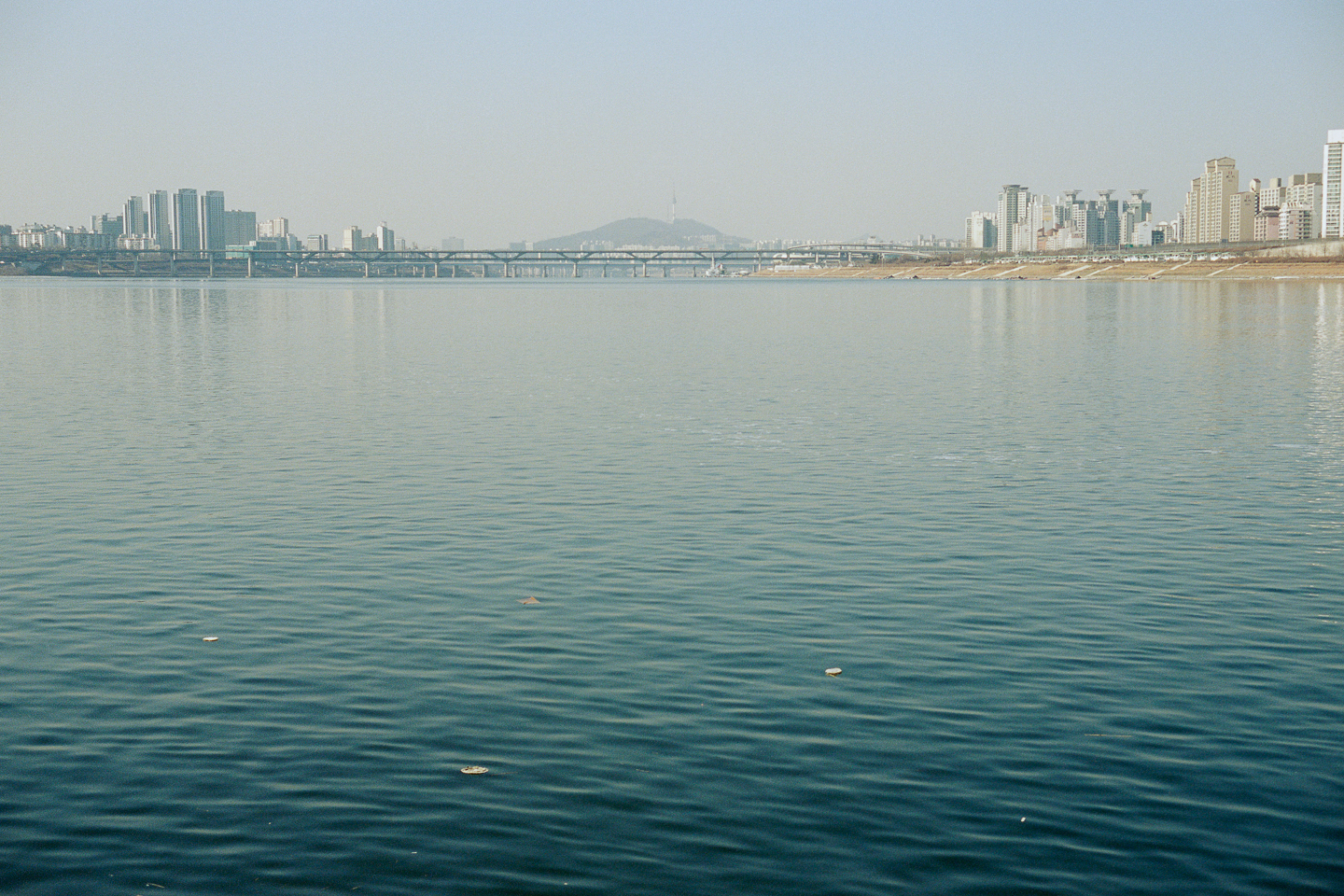
I explore how human presence resonates with other elements within environments shaped by topography, climate, and historical context.
Growing up in the mountainous region of Gifu and now based in a city within the same watershed, I have become drawn to places where the relationship between human activity and nature shifts within the landscape, and where layers of memory and social structures fold into one another.
In my earlier work, I wandered through urban spaces across Asia, tracing landscapes where local topography and vernacular traces seep through even as their surfaces are gradually leveled. In recent years, I have been moving back and forth across the central region of Japan where I was born and raised, focusing on situations where watersheds, though divided, become connected as people and goods move through them.
When landscape is approached not solely through human activity, but as the convergence of multiple forces — topography, climate, and the accumulation of time — relationships begin to appear that cannot be reduced to a single, human-centered perspective. Under such conditions, it is the camera that encounters these relations.
私は、地勢や気候、歴史的な背景のなかで形づくられてきた環境において、人の存在がどのように他の要素と響き合っているのかを探り続けている。
岐阜県の山間部で生まれ育ち、同じ流域に位置する都市を拠点に活動するなかで、人間の営みと自然との関係が変化していく風景や、土地の記憶と社会のあり方が折り重なって立ち現れる場に惹かれるようになった。
これまでの作品ではアジアの都市空間において、景観が均されてもなお地勢や風土が滲み出てくる場所を巡ってきた。近年は、自分が生まれ育った中部地方を行き来しながら、自然によって分かたれた流域が、人や物の移動によって接続されている状況に着目している。
風景を、人間の営みだけでなく、地勢や気候、時間の堆積といった複数の要素が交差する多層的なものとして捉えるとき、そこには人間中心の視点には還元されない関係性が立ち現れてくる。その関係性に、カメラは触れることができる。